Aerospace Hot Section
Superalloy bar, billet and plate support turbine, exhaust, fastening and structural components where creep strength, oxidation behavior and release documentation are closely reviewed.
AMS references, AS9100D, heat traceability
Certified End Markets
Nickel superalloys are chosen when ordinary metals cannot protect performance margins. Special Metals serves engineering and purchasing groups that must document strength, corrosion resistance, heat exposure, fatigue behavior and supplier qualification before material reaches production.
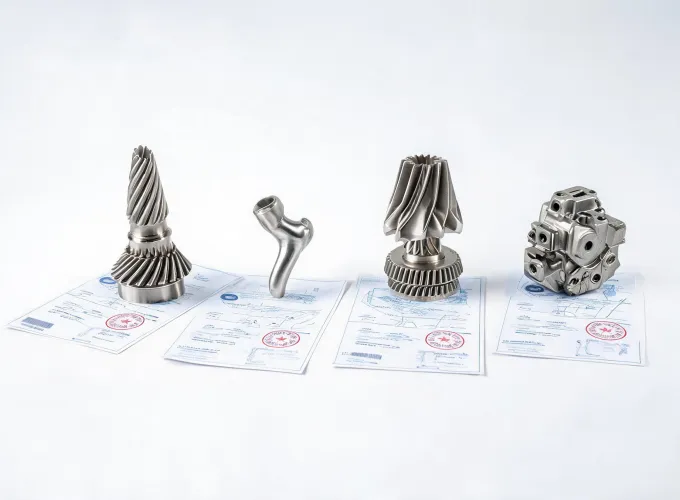
Application Families
The following markets differ in service environment, but they share a need for controlled alloy selection and documents that survive technical review.
Superalloy bar, billet and plate support turbine, exhaust, fastening and structural components where creep strength, oxidation behavior and release documentation are closely reviewed.
AMS references, AS9100D, heat traceabilityCobalt and nickel alloy choices must balance corrosion resistance, machinability and surface finish expectations for instruments, fixtures and controlled manufacturing equipment.
ISO 13485 aware records, lot controlHigh temperature alloys are selected for gas turbine, heat processing, valve, pump and chemical process environments where oxidation and stress rupture margins matter.
Temperature exposure, corrosion media reviewProgram buyers often require clear country of origin, certificate control, repeatable stock routing and careful handling of drawing driven alloy requirements.
Documentation packets, controlled releaseQualification Language
Special Metals treats credentials as part of a larger material control conversation. A certificate list does not prove a grade is right for a hot section, a chloride bearing chemical stream or a medical instrument component. The useful work is connecting the certification requirement to the drawing, purchase specification, service condition and receiving inspection plan.
For aerospace and defense programs, the emphasis often falls on AS9100D, AS9120 style distribution practices, Nadcap related processing conversations and heat lot traceability. For medical and precision equipment, the review may involve ISO style documentation, clean handling and repeatable material identity. Energy programs often ask for pressure, temperature and corrosion context before approving an alternate alloy family.
Critical Applications
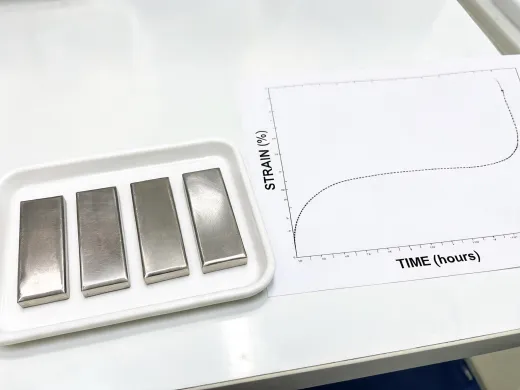

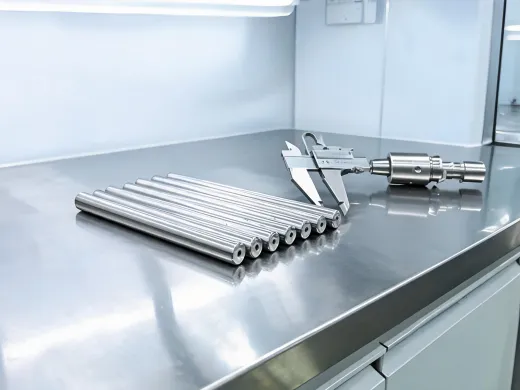

Every market page can look impressive, yet the real buyer pain usually appears in the small details: whether a certificate references the correct heat, whether a grade is approved by a drawing revision, whether the alloy can survive the fluid chemistry, and whether receiving inspection can match the label on a cut piece to the paperwork in the project file. Special Metals keeps these questions visible from the first inquiry because they determine whether the material will move cleanly into production or sit in quarantine while teams rebuild the evidence chain.
Review an end market requirement
Our team can help compare alloy families, certification expectations and supply options before your program commits to a material path.